
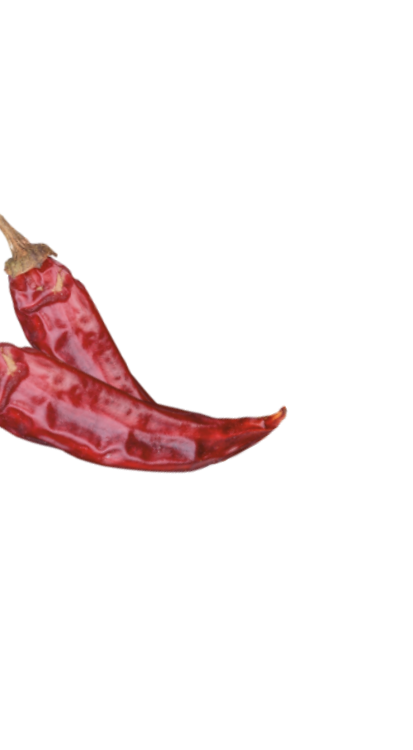
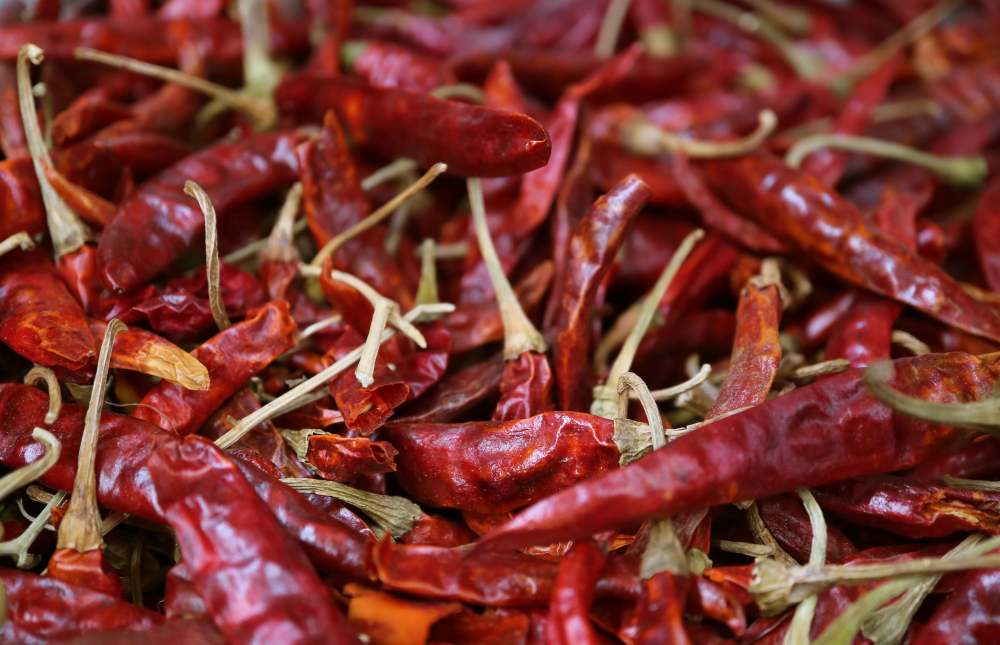
When it comes to Indian food, there is probably no ingredient more renowned than the simple dry red chilli. Not only does it add spiciness to a recipe, but it also adds colour, fragrance, flavor, and character. Whether it's a robust North Indian dish or a tangy South Indian one, the correct choice of chillies can make all the difference in the outcome.
However, one thing that many people do not know is that not all dry red chillies are alike.
Some varieties are highly favored for their pungency while other varieties are chosen due to their bright red color, aromatic quality, or their suitability for the manufacturing of spices. It is because of this reason that chefs, spice manufacturers, food processors, exporters, and retailers selectively use certain types of chillies according to the products being prepared.
Being among the leading exporters of chillies in the world, India produces hundreds of varieties of chillies, each having its own qualities and commercial value.
This article describes 10 different dry red chilli varieties produced in India along with their distinguishing features and application areas.
Why Choosing the Right Dry Red Chilli Matters
When you think about chillies, the first thing that comes to mind is heat. But there is more to the story in the professional culinary world and the food processing industry.
An ideal chilli is not the one which is the hottest but the one which would provide the right balance of colour, taste, smell and heat required for the use it is intended for.
Take for example, the case of many restaurants, where Kashmiri Chillies are the preferred choice for cooking dishes like Butter Chicken as they impart an intense red colour without being too spicy. However, the Teja S17 is the hottest variety out there and is preferred by manufacturers of extra hot chilli powders or sauces.
Buyers in the commercial sector also look at skin thickness, moisture levels, seed content, colour value and processing consistency. These qualities impact everything from shelf life and grinding efficiency to the appearance and quality of the finished product.
These differences will help you choose the right chilli whether you’re cooking at home or in a large-scale food production operation.
The heat levels of chilli explained
The heat of a chilli is measured in Scoville Heat Units (SHU).
Overall Standings:
| Heat Level | SHU Scale |
|---|---|
| Mild | 5,000–20,000 |
| Medium | 20,000–40,000 |
| Hot | 40,000–70,000 |
| Very Hot | 70,000–100,000+ |
The higher the SHU, the hotter the chilli.
1. Guntur Chilli
Guntur chilli is one of the most popular export varieties of India and is named after the Guntur region of Andhra Pradesh.
Features
- Colour of bright red
- Robust pungency
- Good shelf stability
- Widely traded internationally
Heat Range
30,000–50,000 SHU
Uses
- Spice mixes
- Curry powders and spice
- Processing of food
- Spice packs for retail
Markets for Export
- China
- Bangladesh
- Sri Lanka
- Malaysia
- UAE
Guntur chilli is still one of the most exported Indian chilli varieties.
2. Teja Chilli
Teja chilli is very hot in nature and has a good market.
Features
- Small pods
- Strong pungency
- Deep-red appearance
Heat Level
50,000–100,000 SHU
Applications
- Hot sauces
- Spices extracts
- Chilli powder production
Markets For Export
- China
- Thai
- Viet Nam
- Mexico
Buyers are looking for maximum pungency and teja is the favourite.
3. Byadgi Chilli
Byadgi chilli is more valued for its colour than its heat.
Features
- Wrinkled appearance
- Rich red colour
- Uniqueness in aroma
- Mid pungency
Heat Level
8,000–15,000 SHU
Uses
- Colours from natural foods
- Extraction of oleoresin
- Choice spice blends
Markets for Export
- Europe
- USA
- Middle East
Its bright colour makes it very valuable for food producers.
4. Sannam Red chilli
Sannam is one of the more versatile chillies of India.
Key features
- Equal pod size
- Medium heat
- Bright red color
Heat Level
20,000–35,000 SHU
Uses
- Processing of food
- Spices
- Retail packings
Export Markets
- Sri Lanka
- Bangladesh
- Malaysia
A versatile variety that is used as an all-purpose chilli.
5. Kashmiri Chilli
Kashmiri chilli is famous for its bright red colour across the world.
features
- Red glossy appearance
- Medium heat
- Attractive appearance
Heat Level
1,000–2,000 SHU
Uses
- Marinades for Tandoori
- Curry preparations
- Blends of spices
- Improved colour
Export Markets
- UK
- USA
- Canada
- Europe
Kashmiri chilli is used a lot where colour is more important than heat.
6. 334 Chilli
334 Chilli is largely grown in Andhra Pradesh and Telangana.
Characteristics
- Vibrant colour
- Moderate heat
- Firm export demand
Heat Level
30,000–45,000 SHU
Uses
- Chilli powder
- Ingredients for food
- Production of Spices
Export Markets
- China
- Asia, Southeast
It has a nice balance of colour and pungency.
7. Wonder Hot Chilli
Wonder Hot is a hybrid variety developed for high productivity and pungency.
Features
- High yield
- Quality consistency
- High heat level
Heat Level
60,000–90,000 SHU
Uses
- Hot sauces
- Industrial food processing
- Spice manufacturing
Export Markets
- Vietnam
- Thailand
- China
High-pungency chillies are in strong demand and are driving its growing popularity.
8. Chilli Mundu
Mundu chilli is round in shape and has a unique flavour.
Features
- Rounded pods
- Medium heat
- Strong flavor profile
Heat Level
20,000–30,000 SHU
Uses
- Brined
- Curry powders
- Traditional cooking
Markets for Exports
- Arabian Peninsula
- South East Asia
Mundu is valued for taste and looks both.
9. Jwala Chilli Pepper
Jwala chilli is one of the most popular chillies in India.
Features
- Long pods
- Strong smell
- Sharp heat
Heat Level
30,000–50,000 SHU
Uses
- Cooking at home
- Powdered chilli
- Food service applications
Foreign Markets
- Nepal
- Bangladesh (BD)
- UAE
It is a popular ingredient in regional cuisines due to its strong flavour.
10. Bird's Eye Chilli
One of the hottest varieties exported from India is the Bird’s Eye chilli.
Features
- Compact size
- Very strong odour
- Pungent smell
Heat Level
80,000-100,000+ SHU
Applications
- Sauces (hot)
- High-end spice products
- Speciality food manufacturing
Foreign Markets
- European
- USA
- Thailand
Demand from speciality food producers and hot sauce manufacturers is growing.
Choosing the Right Chilli Variety
The ideal chilli is dependent on the application intended.
High Heat
- Teja
- Wonder Hot
- Bird’s Eye
For Bright Colour
- Byadgi
- Kashmiri
For a Balanced Heat and Colour
- Guntur
- Sannam
- 334
For Spice Processing
- Teja
- Sannam
For Oleoresin Extraction
- Byadagi
- Kashmiri
Important Factors to Consider Before Buying
Before importing dry red chillies, buyers should consider:
- Requirements for Pungency
- Different SHU levels for different products
- Colour Value
ASTA colour values have a major impact on the appearance of the finished product.
Moisture Content
Usually less than 10-12%.
Standards for Food Safety
Testing can include:
- Aflatoxins
- Pesticides Residues
- Microbiological parameters
Supplier Dependability
Select exporters with:
- Quality control systems
- Export experience.
- Programs for traceability
- Dependable supply capability
Conclusion
India's dry red chilli industry has a unique combination of variety, quality and exportability.
India has options for virtually any food manufacturing and spice processing application. Whether the buyer wants the intense heat of Teja chilli, the brilliant colour of Kashmiri chilli, or the balanced characteristics of Guntur and Sannam, India has it.
By understanding the characteristics of each variety, heat levels and end-use applications, buyers can make more informed sourcing choices and develop a more reliable supply chain.
As the world’s appetite for spices grows, so do Indian dry red chillies, which are a staple in kitchens, food factories and spice blends across the globe.
FAQs
-
What is the hottest Indian chilli?
Some of the hottest varieties exported from India include Bird's Eye and Teja chillies with heat levels of 100,000 SHU or more.
-
Which is the best chilli for natural red colour?
Byadgi and Kashmiri chillies are preferred widely for their deep red colour and less pungency.
-
Which is the largest chilli export from India?
Guntur chilli is one of the most traded and exported varieties of chilli for its balanced heat and colour characteristics.
-
What is the best type of chilli for hot sauce?
Teja, Wonder Hot and Bird’s Eye chillies are popular choices for their high pungency levels.
-
What quality parameters importers need to look into before buying chilli?
Before shipment, moisture content, colour value, pungency (SHU), aflatoxin levels, pesticide residues, foreign matter and the overall product appearance must be checked by importers.
