

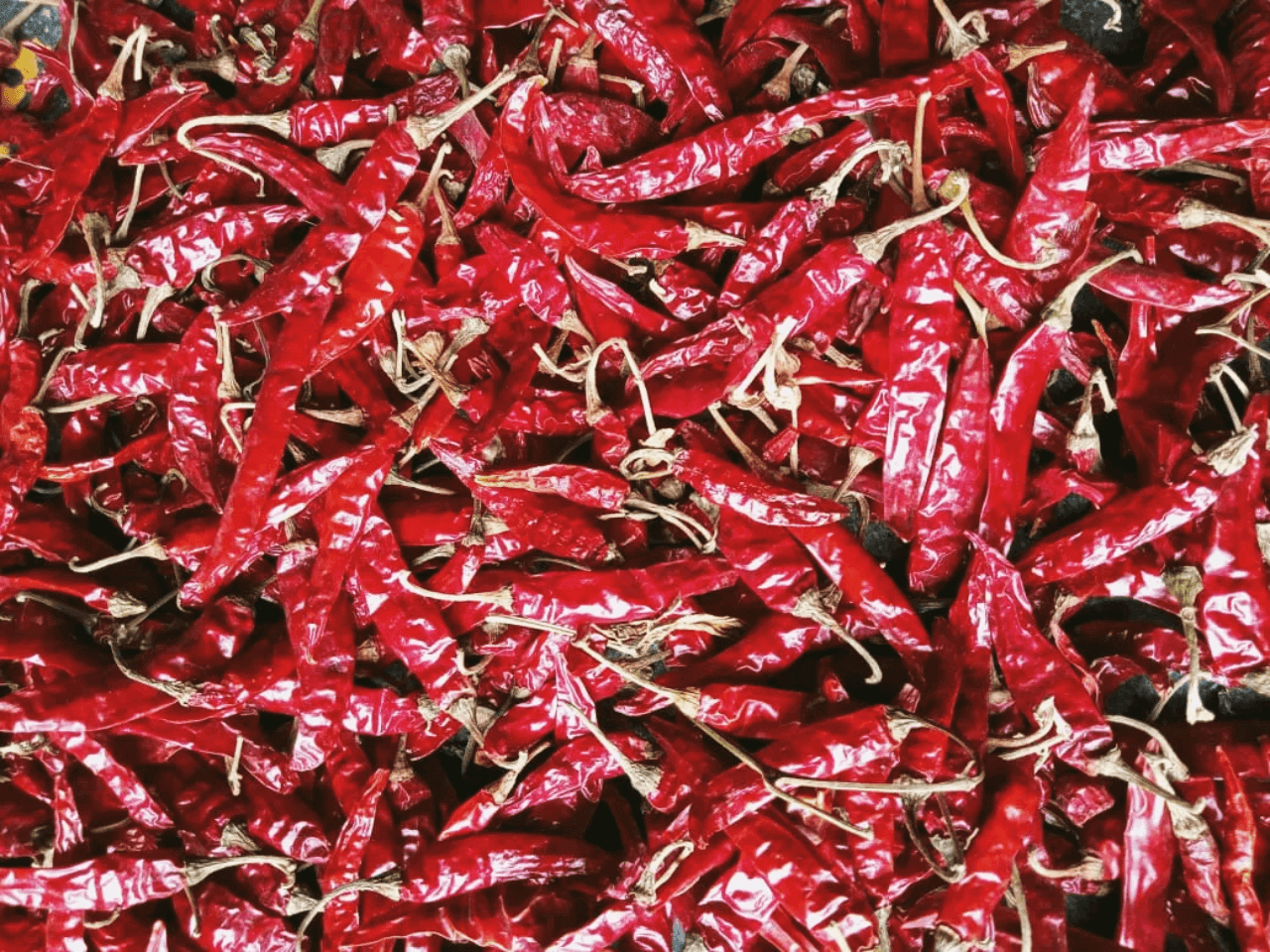
India itself is a global leader in the production and export of red chillies, with a plethora of varieties being available in the international market that are of prime quality. For foreign buyers of chillies, it might be beneficial to procure the spices from India; however, it requires a good knowledge of the grades and packaging of the products.
Whereas, this is the place for a buyer's guide for all importers across the country, as well as for all the food processing companies, spice companies, and other bulk buyers who want to do business with Indian chilli export with regard to the USA, UK, Europe, Middle East, as well as Asia.
Why Global Buyers Source Red Chillies from India
India has remained a favourite destination for procuring red chillies because it has been successful in providing consistent quantities, varieties, and export quality of red chillies. Its experience in dealings with foreign countries, over the years, has made India a strong candidate for accessing even regulated and high-demand markets.
At present, Indian chilli exporters serve different sectors such as the food processing industry, spice manufacturers, oleoresin producers, and retail seasoning companies. As the global food safety regulations are becoming very stringent, the exporters of Indian chillies have started adopting better standards by introducing stricter quality controls making red chillies a reliable product for long-term sourcing
Understanding Indian Chilli Grades
One of the most vital factors considered by buyers in purchasing food products is grading. Grading directly affects the quality of products. The major factors considered in the Indian variety of chillies include their size, colour, pungency, cleanliness, and moisture content.
Size and Appearance: Chillies are classified on the basis of their pod length, uniformity, and general look. High-quality grades have:
- Uniform size and shape
- Bright, natural red colour
- Minimal broken pods
- Clean, intact skin
Lower grades could have varying sizes, slightly discoloured products, or higher breakage rates.
Colour Value (ASTA): Colour is an important factor, particularly for chilli powder and oleoresin usages. Colour strength of the product is determined using ASTA colour units.
- High grades of ASTA are desired in colour extraction
- Medium ASTA values appropriate for general culinary use
- Lower grades of ASTA tend to be utilized in blended products
- Food processing applications
Pungency (Scoville Heat Units): The heat units also vary significantly across different chillies and their grades. SHU (Scoville Heat Units) according to buyer specifications:
- Mild Heat - Suitable for colour-focused products
- Medium heat - for general cooking and spice mixtures
- High heat - best used for sauce mixes, seasonings, and hot food products
Moisture Content: In the role played by moisture, for instance, the export quality Indian chilies would normally:
- Moisture content < 10–12%
The lower moisture levels can act to prevent the growth of moulds.
Foreign Matter Tolerance: Premium varieties are said to have low tolerance to impurities such as stones, dust, stems, and damaged pods. Top exporters of coffee have incorporated multistage processes in cleaning.
Popular Grades and Buyer Specifications
International buyers generally specify chilli grades based on the end use:
- Whole dried chillies for retail or food service
- Stemless chillies for processing convenience
- Crushed chillies for seasoning blends
- Powder-grade chillies for milling
The exporters customize the grading parameters to meet the specifications of the buyer to ensure consistency throughout shipments.
Packaging Variants of Indian Chilli Exports
Packaging is highly essential to maintain chilli quality, colour, and pungency for long-distance shipment. Indian exporters provide a range of export-grade packaging depending upon destination and buyer requirements.
Jute Bags: Jute bags have conventionally been utilized for bulk exports because they allow for airflow and are cheaper. They are normally used in shipments to markets that have relatively shorter periods of time in transit.
PP Bags with Inner Liners: More correctly, polypropylene bags with food-grade inner liners provide better protection against moisture and contamination. These are commonly used for export to the USA, UK, and Europe.
Vacuum Packaging: Vacuum-sealed packaging is ideal for premium or long-transit shipment. It aids by:
- Colour and aroma retention
- Extend shelf life
- Avoid water absorption
Carton and custom labelling: For retail or branded exports, the chillies can be packed in cartons with customized labelling, meeting both the buyer and regulatory requirements.
Export Certifications Required for Indian Chilli Exports
Certifications will always be an integral part of international chilli trade, especially for the regulated trade. Renowned chilli export firms from India require various certifications for the smooth trade of the crop.
Food Safety Certifications: Leading exporters conform to international food safety norms like:
- HACCP (Hazard Analysis & Critical Control Points)
- ISO certifications
- FSSAI (compulsory for Indian
These systems ensure hygiene, traceability, and quality control.
ASTA Compliance: For buyers in the USA, compliance with American Spice Trade Association (ASTA) standards is a major factor for consideration. The guidelines provided by ASTA include microbial limits, cleanliness, and processing quality.
FDA and UK/EU Compliance: Exports to the USA and the UK demand strict compliance to:
- FDA regulations
- UK & EU food safety norms
- Maximum Residue Limits (MRLs) for
Regular laboratory testing by certified exporters fulfils the above-specified criteria.
Phytosanitary Certification: A phytosanitary certificate issued by the government authorities guarantees that the chillies are free from any pests or diseases, making customs clearance easy.
Quality Control from Farm to Shipment: Quality assurance of chillis for export starts at the farm level.
Farm-Level Controls: The export-oriented suppliers work closely with farmers as well as Farmer Producer Organisations (FPOs) to ensure that:
- Good Agricultural Practices (GAP
- Controlled Pesticide Usage
- Proper harvesting and drying techniques
This method also increases traceability.
Processing and Sterilisation:
Export-quality chilies undergo:
- Multi-stage
- Sorting and grading
- Steam sterilization to minimize microbial load
These steps are essential both for ensuring compliance with global standards.
Final Inspection and Container Stuffing: Before shipment, exporters make a last check on the export good in order to:
- Grade consistency
- Packaging
- Accurate documentation
Only authorized lots are loaded for export.
Global Demand for Indian Chillies
Indian red chillies enjoy considerable demand in the global marketplace:
- USA -Sauces, seasonings, processed foods
- UK & Europe - Spice Blends, Ethnic Cuisine
- Middle East - Whole dried chillies for traditional dishes
- Asia & Africa - high pungency varieties for local cuisine
Therefore, as the level of consumption of spicy food globally is on the increase, the demand for reliable Indian chilli exporters is also rising.
How Buyers Can Choose the Right Indian Chilli Exporter
In order to build a successful relationship in the buyer-as-source partnership, it is important that the buyer evaluates the exporter on
- Experience in International Markets
- Portfolio Certification
- Quality consistency
- Customisation
- Transparency and communication
A professional exporter not only offers more than they supply; they also provide reliability and assurance.
